
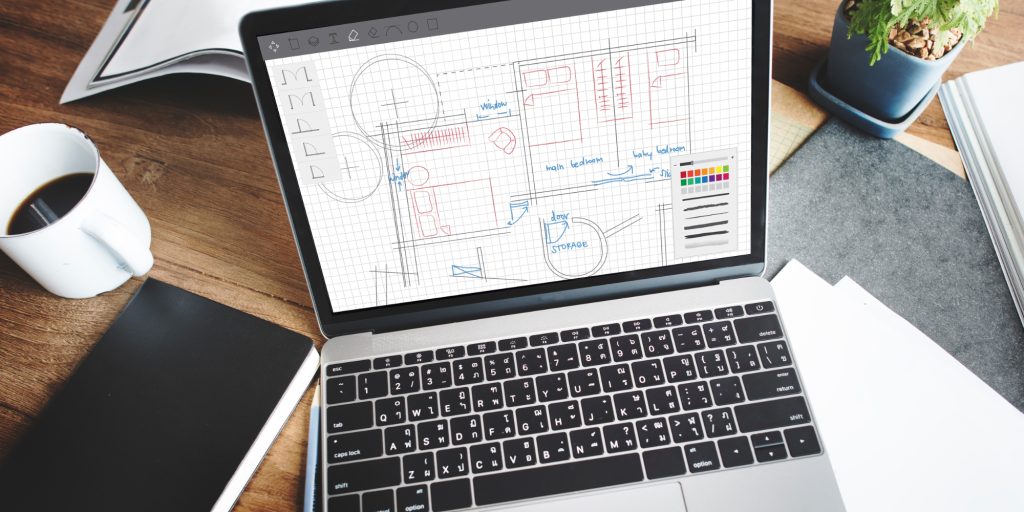
The Importance of Scenario Planning in Uncertain Times

124264

In an era marked by rapid technological advancements, geopolitical tensions, economic volatility, and climate challenges, uncertainty has become a defining feature of the business environment. For organizations aiming to thrive in this unpredictability, traditional strategic planning often falls short. This is where scenario planning steps in—a forward-looking approach that enables businesses to anticipate, prepare for, and adapt to a range of possible futures.

Scenario planning goes beyond merely forecasting; it is about envisioning alternative realities and building strategies that are resilient across varying circumstances. In this article, we explore the significance of scenario planning, its benefits, and how businesses can effectively integrate it into their strategic processes to remain agile and adaptable.

Why Scenario Planning Is Crucial Today

1. Economic Volatility

  • Fluctuating interest rates, inflation, and market disruptions make financial stability a moving target. Scenario planning helps businesses stress-test strategies against economic upheavals.

2. Geopolitical Risks

  • Trade disputes, regulatory shifts, and geopolitical tensions can disrupt operations and supply chains. Scenario planning ensures readiness for potential policy or regional changes.

3. Environmental Challenges

  • Climate change, natural disasters, and resource scarcity pose risks to industries worldwide. By modeling environmental scenarios, companies can adopt sustainable practices and ensure business continuity.

4. Technological Disruptions

  • Rapid technological change and industry disruption can render traditional business models obsolete. Scenario planning helps organizations evaluate how emerging technologies might reshape their industries.

The Core Benefits of Scenario Planning

1. Improved Decision-Making

  • Digital tools streamline workflows, reduce bureaucratic delays, and free up resources for more strategic initiatives.

2. Enhanced Organizational Resilience

  • Real-time data sharing and open government platforms foster accountability and public trust by allowing citizens to track government activities.

3. Strategic Agility

  • Automation and optimized resource allocation reduce operational costs, enabling governments to reinvest in other critical areas.

4. Stakeholder Alignment

  • Providing seamless, reliable, and accessible services demonstrates a commitment to citizen welfare, strengthening public confidence in governance.

5. Proactive Risk Mitigation

  • Providing seamless, reliable, and accessible services demonstrates a commitment to citizen welfare, strengthening public confidence in governance.

How to Implement Scenario Planning Effectively

Identify Key Drivers of Change

Determine the external and internal factors most likely to impact your business. These could include economic trends, technological advancements, geopolitical shifts, environmental concerns, and consumer behavior changes.

Develop Multiple Scenarios

Create diverse yet plausible scenarios that capture a range of possible futures. Include best-case, worst-case, and moderate scenarios to ensure comprehensive coverage.

Analyze Strategic Implications

Assess how each scenario might affect your organization’s operations, financial health, and competitive position. Identify potential risks and opportunities associated with each scenario.

Stress-Test Current Strategies

Evaluate how your existing strategies hold up under different scenarios. This process helps identify gaps and areas that require adjustment to remain effective.

Design Adaptive Plans

Develop flexible strategies that allow your organization to pivot quickly in response to evolving conditions. Include contingency plans for critical risks identified during scenario analysis.

Regularly Review and Update Scenarios

Scenario planning is not a one-time exercise. Revisit and update scenarios regularly to account for new information, emerging trends, and shifts in the business landscape.

Real-World Use Cases of Scenario Planning

Frame 1000004821 4

Global Supply Chain Resilience

A manufacturing company models scenarios around potential trade restrictions and raw material shortages. This enables it to diversify suppliers and establish regional hubs to reduce dependency on specific regions.

Frame 1000004821 3

Energy Sector Adaptation

An energy firm uses scenario planning to explore shifts in renewable energy adoption rates and regulatory changes. This helps the company allocate investments between traditional energy and green technologies.

Frame 1000004821 2

Retail Market Strategy

A global retailer leverages scenario planning to prepare for varying consumer spending behaviors during economic downturns. This ensures optimized inventory and pricing strategies tailored to different market conditions.

Frame 1000004821

Public Sector Planning

Government agencies use scenario planning to prepare for potential natural disasters or pandemics, ensuring resources are allocated efficiently to maintain public services during crises.

Challenges in Scenario Planning

Complexity

Gathering and analyzing data to build realistic scenarios can be resource-intensive.

Unpredictable Variables

While scenario planning reduces uncertainty, it cannot account for every possible outcome. Unexpected black swan events remain a risk.

Resistance to Change

Implementing adaptive strategies may face resistance from stakeholders accustomed to traditional planning methods.

How SeamFlex Can Assist

At SeamFlex Consulting, we understand the critical role scenario planning plays in building resilient and adaptable organizations. We bring expertise and tools to guide businesses through the scenario planning process, ensuring tailored strategies for success in uncertain times.

We help identify key drivers of change and develop comprehensive frameworks for scenario planning tailored to your industry and organization.

Leveraging advanced analytics, we create plausible scenarios backed by robust data and industry insights, ensuring realistic and actionable outcomes.


SeamFlex conducts in-depth evaluations of your current strategies, identifying vulnerabilities and recommending improvements for greater resilience.

We facilitate workshops to align stakeholders, foster strategic dialogue, and ensure everyone is prepared to adapt to evolving scenarios.

Scenario planning is an ongoing process, and SeamFlex provides continuous support to update and refine strategies as new trends and data emerge.

Final thoughts...

In a world where uncertainty is the only constant, scenario planning offers businesses a vital tool to navigate complexity and prepare for the future. By envisioning and planning for multiple possible futures, organizations can build resilience, foster adaptability, and turn uncertainty into opportunity. With SeamFlex Consulting as your partner, you can ensure that your business is ready to thrive, no matter what the future holds.

Ready to prepare for the unexpected?

Contact us today to explore how our scenario planning expertise can future-proof your business strategies.

Related Articles

Download White Paper

Thank you for submitting your application! We have received your information and will review it carefully. If your qualifications match our current needs, a member of our team will be in touch with you shortly. We appreciate your interest in joining SeamFlex Consulting!”